
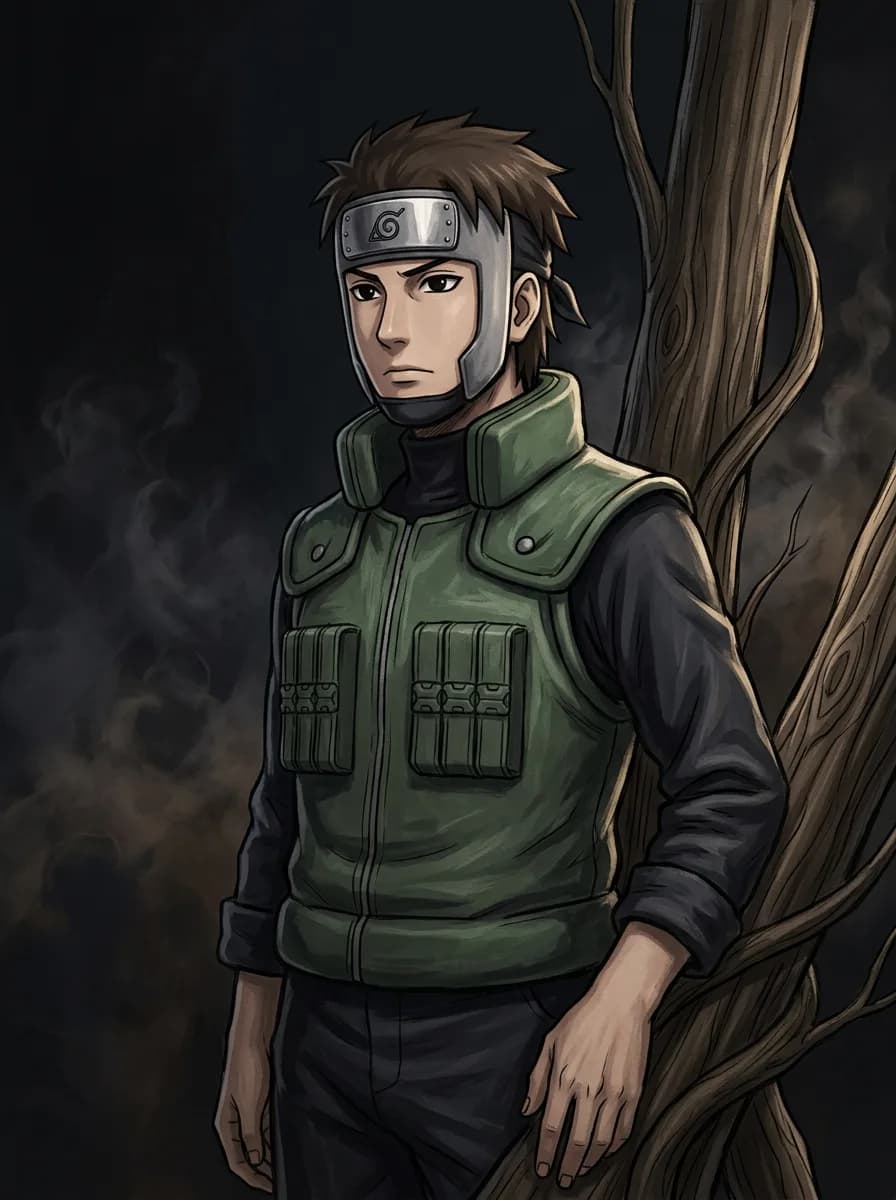
Yamato
- KinoeNamed by Danzō — Root
- TenzōOn the ANBU register
- YamatoNamed by Tsunade — Team Kakashi
He had three names and someone else chose each one. The only thing he ever named himself was the house his team slept in.
The second person in Konoha able to use Wood Release. The first was the First Hokage, dead for decades; Yamato did not inherit that power — it was put inside him.
The record
The file kept under a codename. Age, height, blood type — all on record. His real name is not.
- Birthday
- 10 August
- Height
- 178 cm
- Blood type
- A
- Age
- 26
- Rank
- ANBU — brought up in Root
- Team
- Team Kakashi — acting captain
- Other names
- Tenzō · Kinoe
- What he carries
- A cell of Hashirama Senju
Root, trunk, branch
You read a tree in three parts: the root that feeds it, the trunk that holds it up, the branch it carries. The six people around Yamato line up exactly that way — and the three at the root never asked him first.
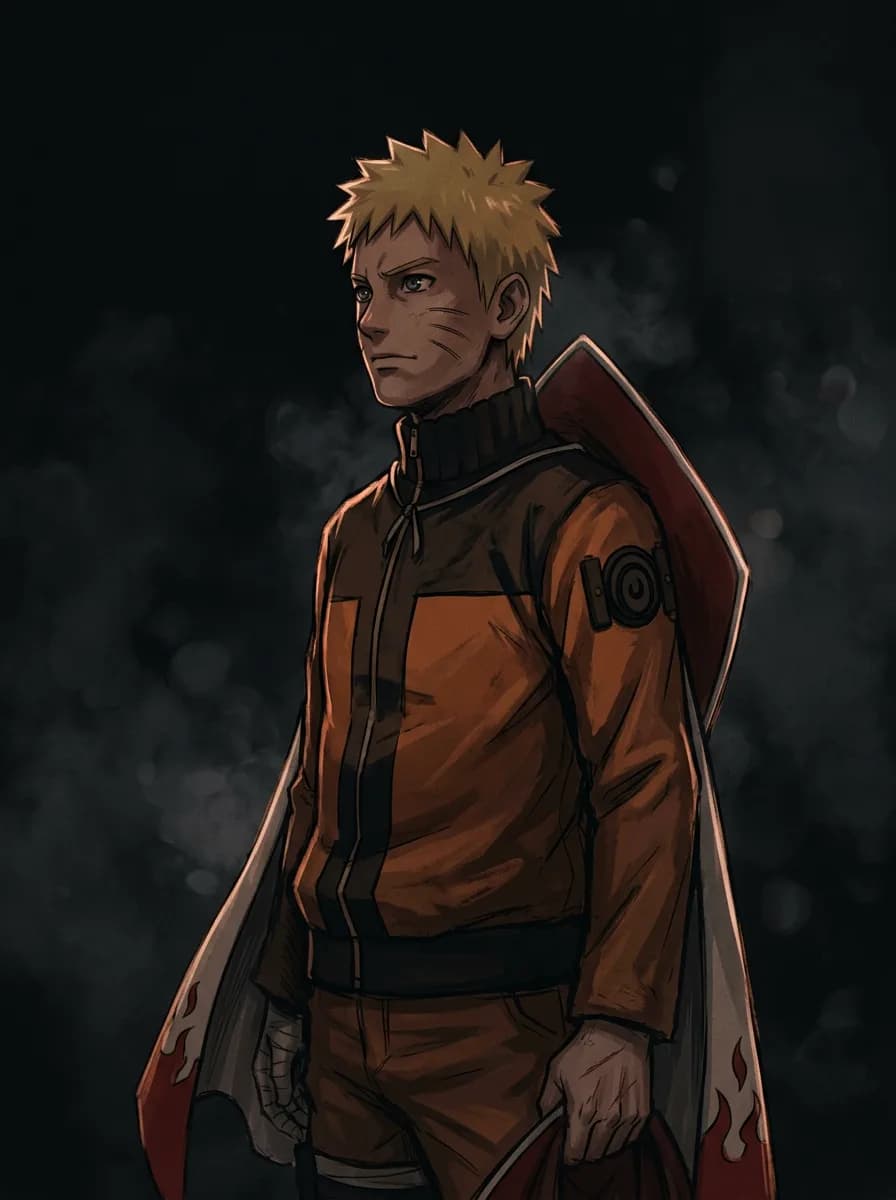 The one he holdsNaruto UzumakiThe reason Yamato joined Team Kakashi fitted into one sentence: if Naruto lost control, he was the only one who could stop him.
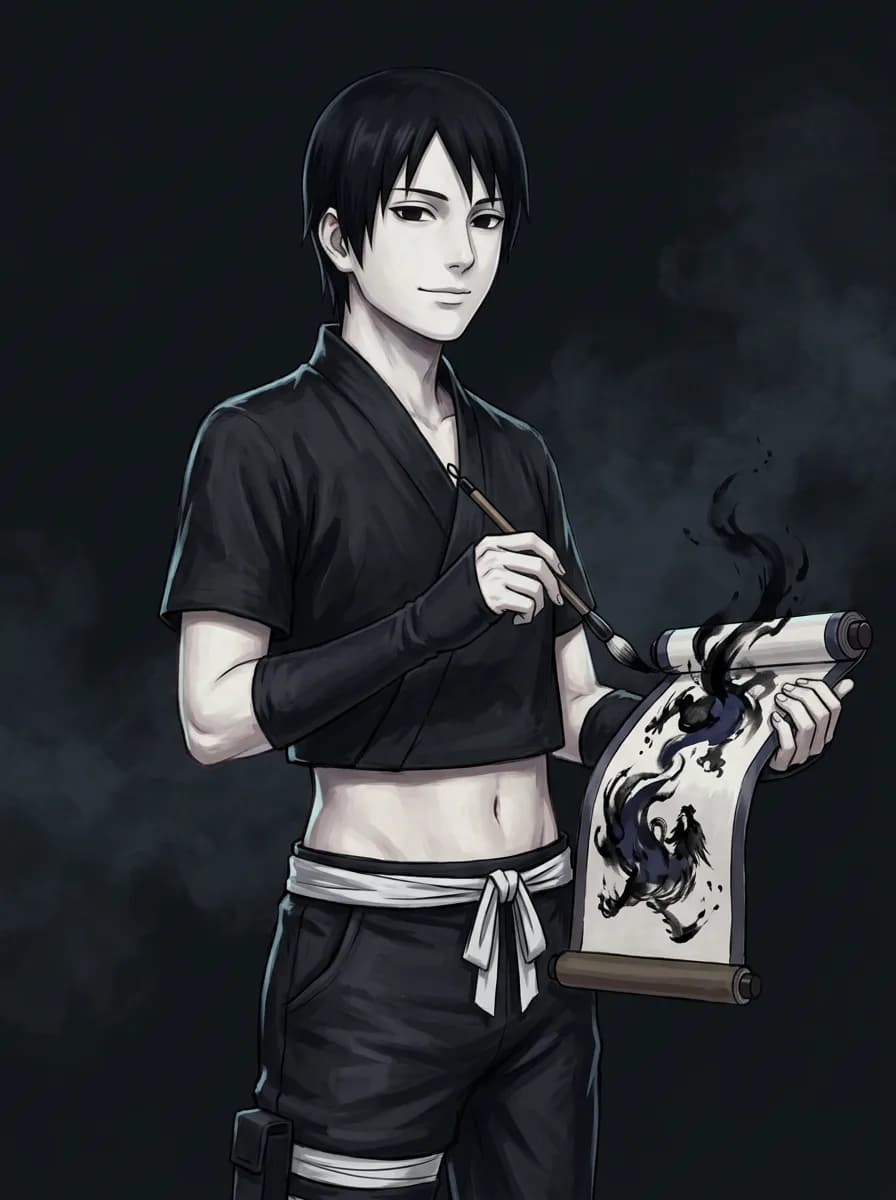 Grown from the same rootSaiBoth came out of Root, both were placed into Team 7 after the fact. Nine years and a name separate them.
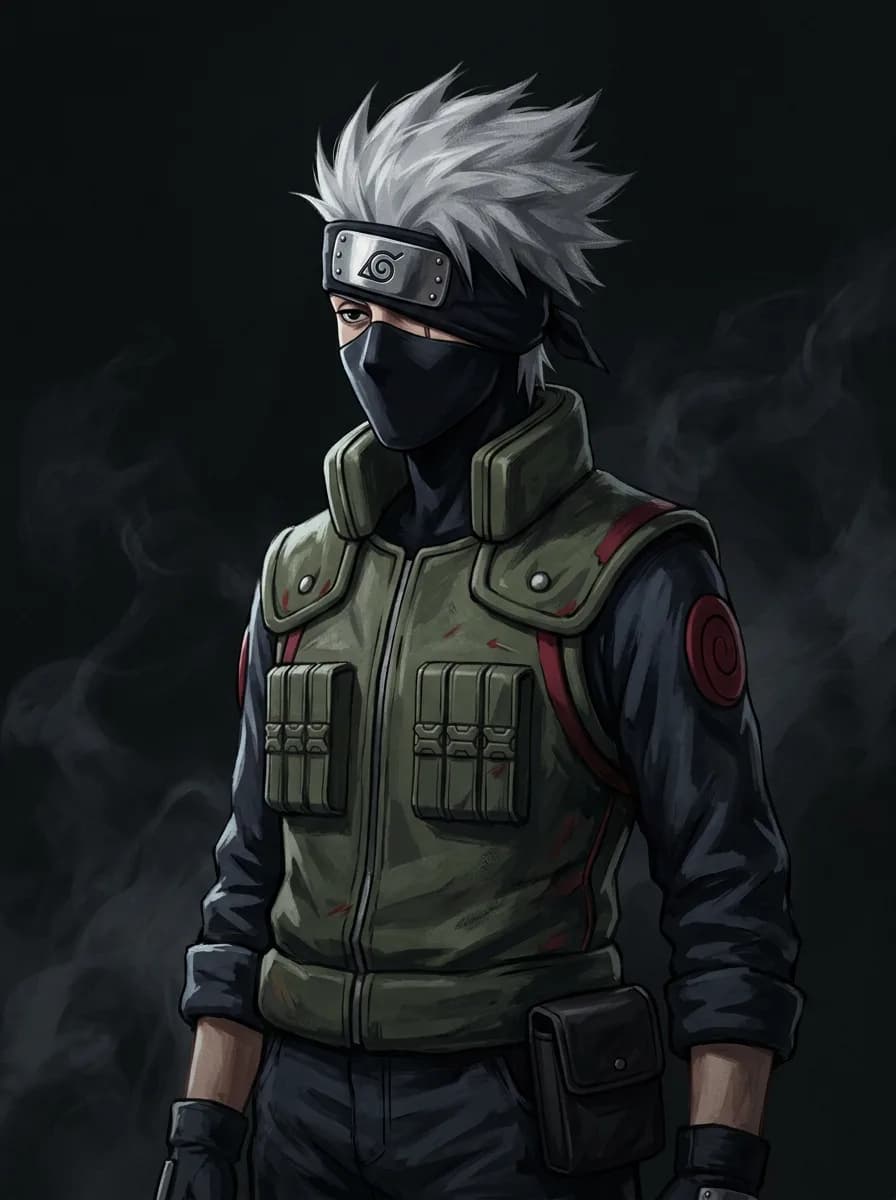 The man whose place he tookKakashi HatakeHis senior in the ANBU, and later the man whose squad he inherited. Kakashi once told him he considered him an equal; Yamato paid for lunch that day.
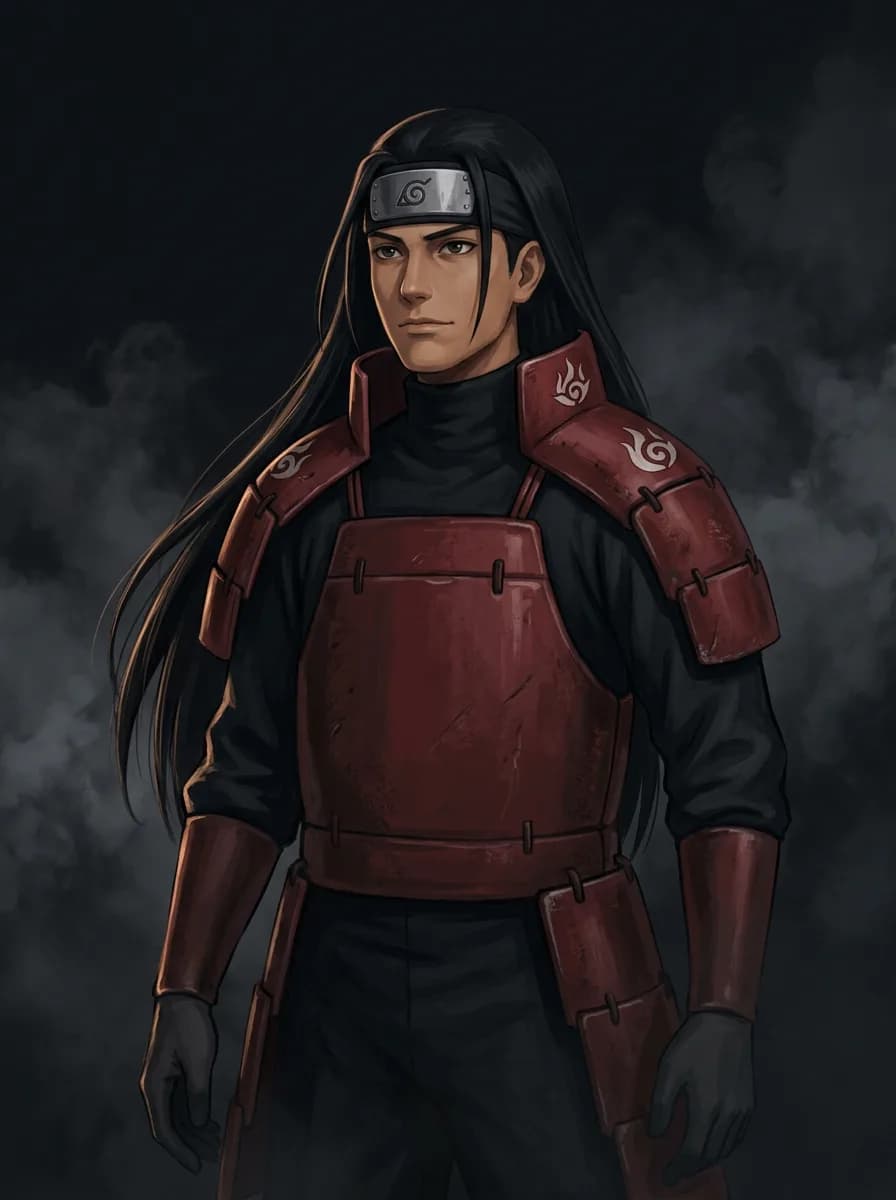 The owner of the cellHashirama SenjuWood Release was his bloodline limit, buried with him. Every branch that leaves Yamato's body is a remainder of a dead Hokage.
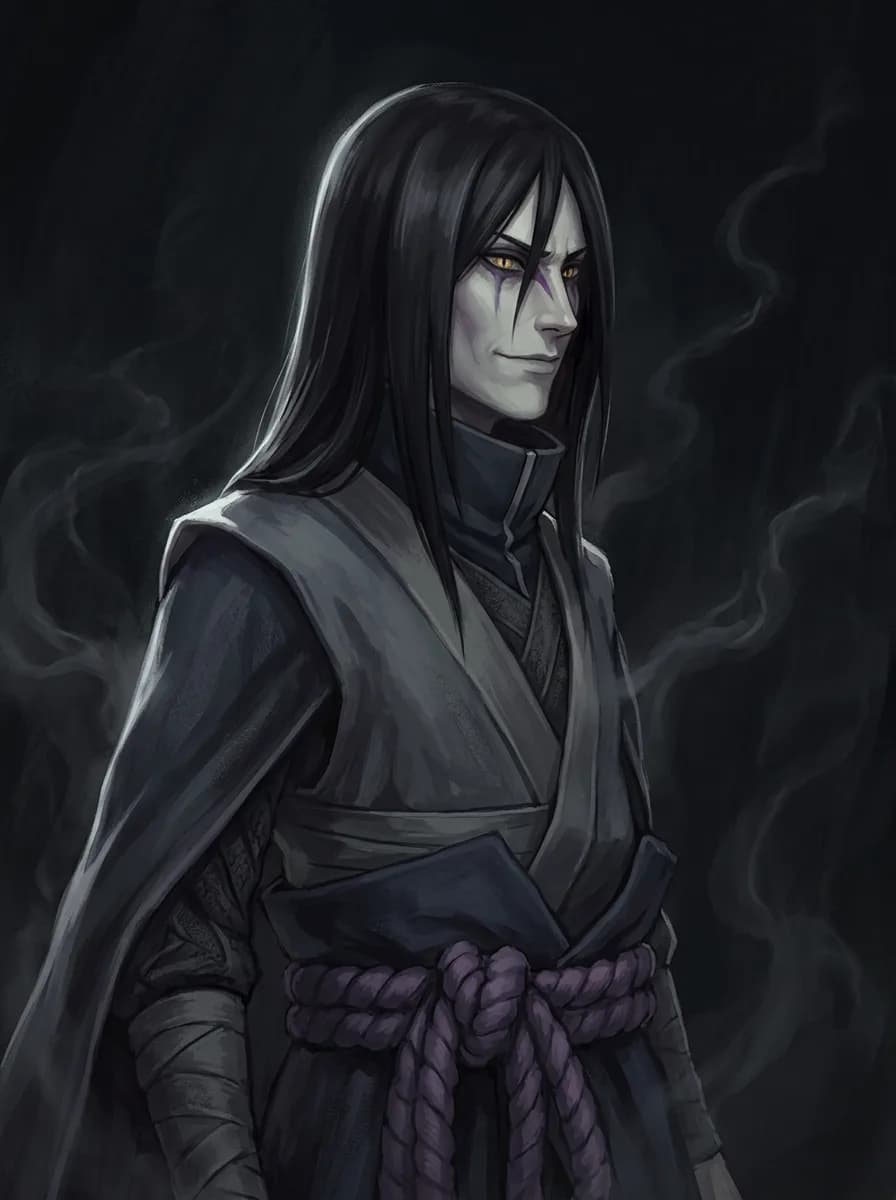 The one who ran the experimentOrochimaruHe transplanted Hashirama's cells into sixty infants; fifty-nine did not survive. The experiment's single output was one child, and that child's file is this page.
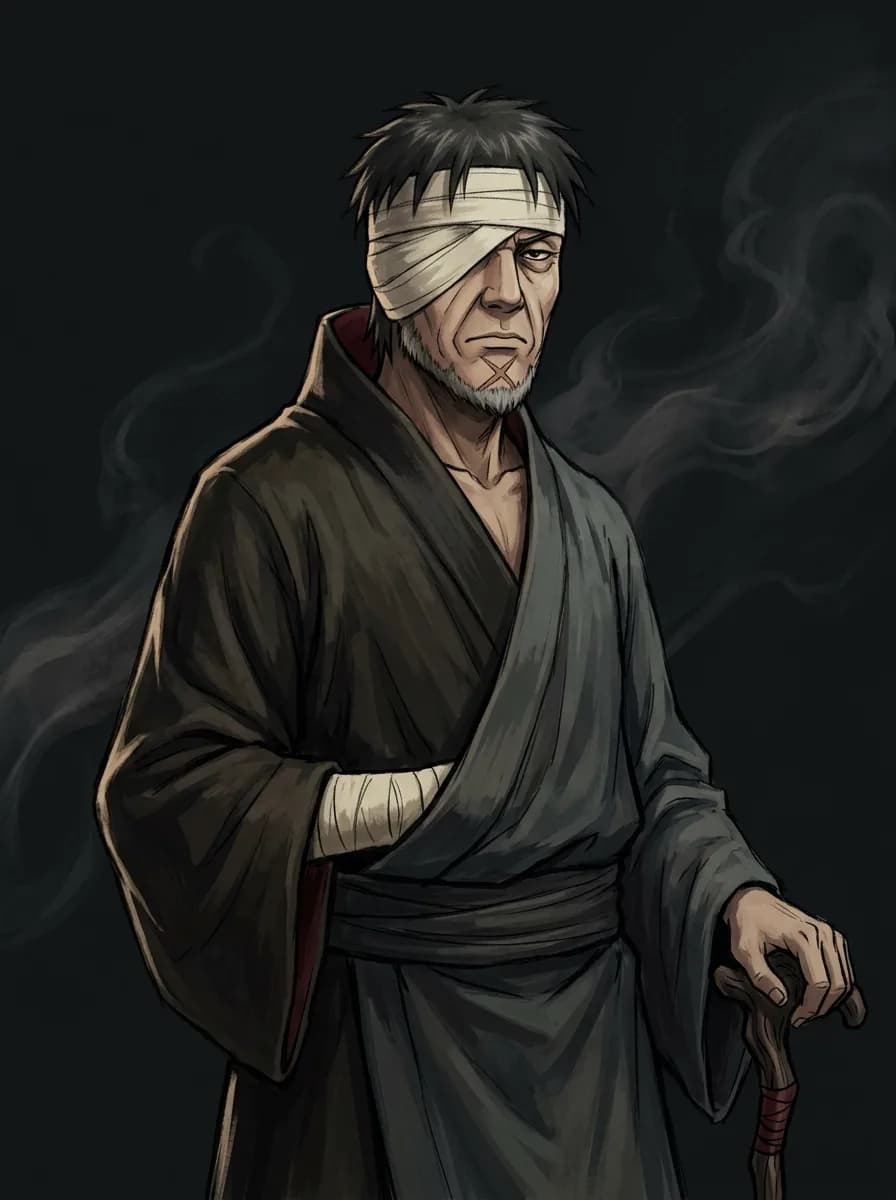 The head of RootDanzō ShimuraHe took the surviving child, called him Kinoe, and put his power to work on the village's shadow side. Yamato's first trade was not carpentry but silence.
Three jobs of the Wood Release
Wood Release is not an attack technique; it is a construction technique. Yamato's three great uses are three settings of one verb: close something in, tear something open, hold something down.
- Mokuton: Shichūrō no JutsuFour-Pillar PrisonFour pillars burst from the ground and walls grow between them: the target is shut in without a fight.Yamato's signature is not the strike but the enclosure. Four wooden pillars rise, trunk grows between them, and whatever stands inside is locked into a room. The second technique of the same family, Shichūka no Jutsu, raises exactly those four pillars but cuts windows into the walls: one is a cell, the other a home. The entire difference is intent — the technique is one technique.Four pillarsStops without a fightCell and home, one skeleton
- Mokuton: Daijurin no JutsuGreat Forest TechniqueThe arm thickens in an instant into a mass of branches that sweeps everything ahead of it.The opposite of enclosure. Yamato extends his arm, the wood grows out of his body, and a forest of pointed branches drives forward. This technique marks the ceiling of his scale: weaving a room is a matter of care, growing a forest in one breath is raw force — and the raw force is not his. That is why he always looks like a man settling a bill when he uses it.Mass and reachGrows out of the bodyA borrowed scale
- Hokage Shiki Jijun Jutsu — Kakuan Nitten SuishuSuppressing tailed-beast chakraThis is the real work of the Hashirama cell: not fighting, but reining in.Wood Release exists for one reason, and that reason is not combat. The First Hokage used this cell to rein in the tailed beasts; when the cell was transplanted into a child, that capability is what the village actually bought. When Naruto's cloak swells, Yamato presses the seal in his palm to the boy's chest and the chakra withdraws. He was not given Team Kakashi on a technical assessment — he was given it because he was the only one holding this brake.A brake, not a weaponThe seal in the palmThe real reason for the captaincy
The workbench
Beneath the great structures lie four small tools. One is left over from the past; three are in daily use.
- Root's child: KinoeBefore the wood there was a mask. Under Danzō he was called Kinoe, and his work was the work the village never spoke of. The composure he carries as a captain is not temperament; it is a habit left over from those years.
- The scouting seedEven with the team scattered, Yamato knows where everyone is: a wooden seed left on his target and wood clones sent ahead report back to him without pause. Other shinobi do this work through a summoning contract; Yamato's instrument grows out of his own body.
- Suiton — water on its ownWood Release is earth and water joined inside one seal, which means each of them also works alone in his hands. Suijinheki raises a wall out of water — the fast, expendable sibling of the wooden one.
- The camp houseWhen a mission runs long in the field, Yamato does not pitch a tent: he raises four pillars, grows a roof and cuts a door. Even his profile records it — off duty he is perfectly willing to use Wood Release for comfort.
The growing structure
The same seal, the same hands — the only thing that changes is scale. Press the knots on the trunk: five stages from seed to forest, and at each one the wood climbs another storey.
1/ 5stage
Seed
Scalea handful
Wood Release is not a talent but a transplant. Hashirama Senju's cells were placed into sixty infants and fifty-nine of them did not survive. The source is here: a seed put inside a child, a seed that was never his.
This stage has no measurements — only a survivor.
The up and down arrow keys move you along the trunk.
Two faces
The captaincy has two settings, and both of them sit on the same man's face.
The captain
Composure carried over from the ANBU: he does not raise his voice, and he does not come apart when the plan does. Not Team Kakashi's most dangerous member — the one holding it up.
That face
When nobody listens he does exactly one thing: he changes his face. He strikes no one and binds no one — with Naruto and Sakura, that much is enough.
It is the page's only joke, and the captain uses it on purpose: for jobs that do not warrant four pillars, one face will do.
A life in five entries
Five entries. In three of them someone else decided, in one he decided, and in the last nobody asked.
Before he had a name
The survivor of sixty children
Orochimaru transplanted the First Hokage's cells into sixty infants. Fifty-nine died. The one child who lived accepted the cell, and Wood Release came back to the village with him — an outcome nobody planned and nobody could undo.
The Kinoe years
Under Root
Danzō Shimura took the child, named him Kinoe and entered him into Root. There the wood is not an inheritance but an instrument, used on work that never reaches the village's official record. The measured silence Yamato still carries is the balance left from those years.
Age 26
In Kakashi's place, under a third name
With Kakashi in hospital, Tsunade did not leave Team 7 without a head: she pulled a name out of the ANBU and gave it a new codename — Yamato. He became the squad's acting captain, and the acting part turned into a decade-long identity.
“I consider you an equal.”
Kakashi HatakeReported from the line recounted in the AniList profile — not verbatim Age 26
The name of the brake
As Naruto's cloak swells, everyone around the squad backs away; Yamato steps forward. The seal in his palm meets the chest and the chakra sinks back. The coldest part of this entry: he was written into that team not as a teacher but as a safety device, and he knew it.
In the war
The body they took
In the Fourth Great Shinobi War, Kabuto abducted him. What he wanted was not Yamato but the cell inside him, and that cell was used to grow the Zetsu army. Yamato spent most of the war knowing his own power was working for the other side.
Yamato
“I consider you an equal.”
“Every name he was given belonged to someone else's work. Only once did he grow wood for his own: the house his team slept in.”
shichūka — “the four-pillar house”
Profile data (birthday, height, blood type, age, alternative name, rank) and the fallback portrait come from AniList. The full-size portrait is the archive's own upload; the trunk, the growth rings, the roots and the growth diagram are SVGs drawn by hand for this page. AniList profile